
 0
0
 0
0
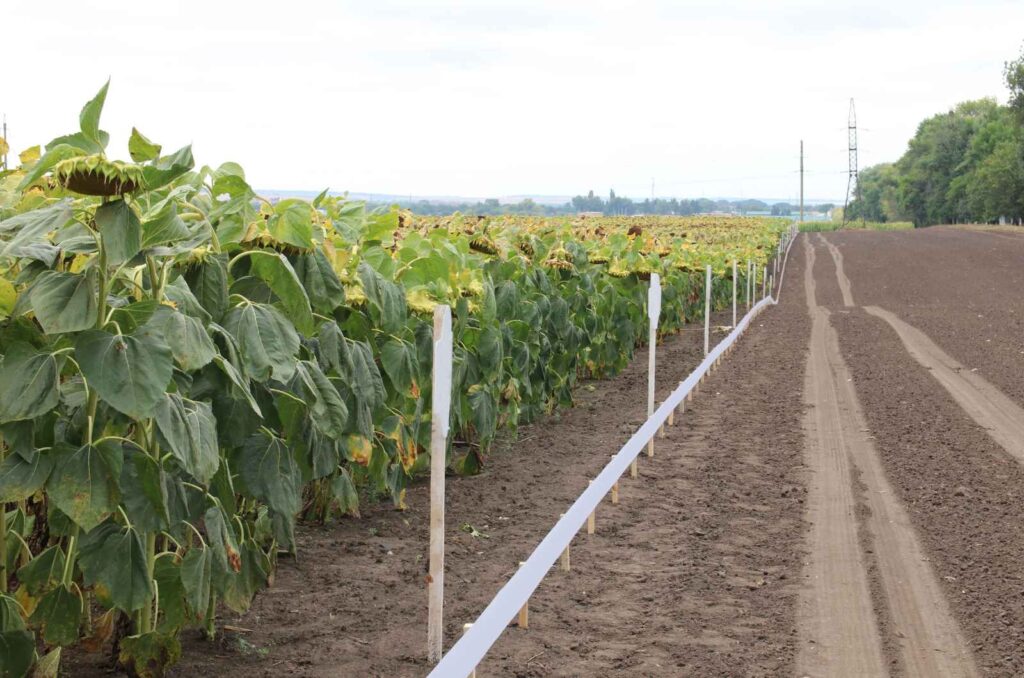
Plant phenotyping the systematic measurement and characterization of plant traits is the foundational activity of every plant breeding program. Knowing how a plant looks, grows, yields, and responds to its environment is the empirical basis on which all selection decisions are made. In 2025, advances in phenotyping technology and data management have transformed this foundational activity from a manual, labor-intensive process into a high-throughput, data-intensive science that is central to breeding program competitiveness.
?What Is the Difference Between Phenotype and Genotype in Breeding
The phenotype is what a plant expresses its observable characteristics including height, leaf shape, yield, disease resistance, and fruit quality. The genotype is the underlying genetic code that, in combination with the environment, determines what the phenotype will be. Breeding progress requires understanding both: selecting plants with superior phenotypes while understanding enough about their genotypes to predict how their offspring will perform.
The relationship between genotype and phenotype is mediated by the environment the same genotype can express different phenotypes under different growing conditions. This genotype-by-environment interaction is one of the core challenges that modern breeding platforms address through multi-environment testing and statistical analysis frameworks.
?How Has High-Throughput Phenotyping Changed What Is Possible in Breeding
Traditional phenotyping relied on trained observers recording measurements manually for individual plants a process that limited the scale of germplasm that could be evaluated per season. High-throughput phenotyping platforms including drones, ground vehicles with multispectral sensors, and controlled-environment robotic systems now enable evaluation of thousands to tens of thousands of plants per day for dozens of traits simultaneously.
This scale multiplier dramatically increases the selection intensity that breeding programs can apply identifying superior genotypes from larger germplasm collections than was previously practical. The bottleneck has shifted from data collection to data management: the volume of phenotypic data generated by high-throughput platforms can overwhelm organizations without robust software infrastructure to store, organize, and analyze it.
?What Traits Are Most Commonly Measured in Modern Breeding Programs
Agronomic traits including yield, plant architecture, and maturity timing remain foundational measurements in most programs. Biotic stress resistance disease, pest, and pathogen tolerance is measured through controlled inoculation trials and field exposure evaluations. Abiotic stress response including drought tolerance, heat resilience, and waterlogging resistance is increasingly prioritized in programs targeting climate-resilient varieties.
Quality traits vary dramatically by crop and market: nutritional composition, sensory characteristics, processing quality, and shelf life are among the traits measured in food crop programs. The breadth and depth of trait measurement in a well-run program creates complex, multi-dimensional datasets that require sophisticated analytical tools to translate into selection decisions.
?How Is Phenotypic Data Quality Maintained Across Large Programs
Data quality in phenotyping is maintained through standardized measurement protocols, calibrated instruments, replicated experimental designs, and statistical outlier detection. The European Plant Phenotyping Network develops and promotes standardized phenotyping methodologies that enable comparable data collection across research institutions a prerequisite for the large-scale, multi-institution datasets that power genomic prediction models.
Phenome Networks and Phenotypic Data Management
https://phenome-networks.com/ takes its name from the science it serves. The company's PhenoTop mobile application enables standardized phenotypic data collection in the field, with built-in validation checks and direct synchronization to the PhenomeOne platform database. The Insights module analyzes phenotypic data across germplasm collections, environments, and seasons generating the statistical summaries that inform selection decisions. Phenome Networks' membership in the European Plant Phenotyping Network reflects its commitment to the scientific standards that make phenotypic data broadly useful across the research community.
?What Is the Future of Phenotyping Technology
The trajectory of phenotyping technology points toward increasing automation, miniaturization of sensors, and AI-driven interpretation of phenotypic data. Computer vision algorithms trained on large labeled image datasets can now classify disease symptoms, estimate biomass, and assess grain quality from field imagery at accuracy levels approaching trained human observers. As these algorithms improve and become integrated into breeding software platforms, the analytical value extracted from phenotypic data collections will continue to increase.
Plant phenotyping is the empirical foundation of all plant breeding and advances in phenotyping technology and data management have made it one of the most dynamic areas of agricultural science. Organizations that invest in both high-throughput phenotyping capability and the data management infrastructure to manage the resulting datasets are building a compound advantage that grows with every additional season of structured data collection.


